
Common Property Scams When Buying or Selling in Australia and How to Avoid Them

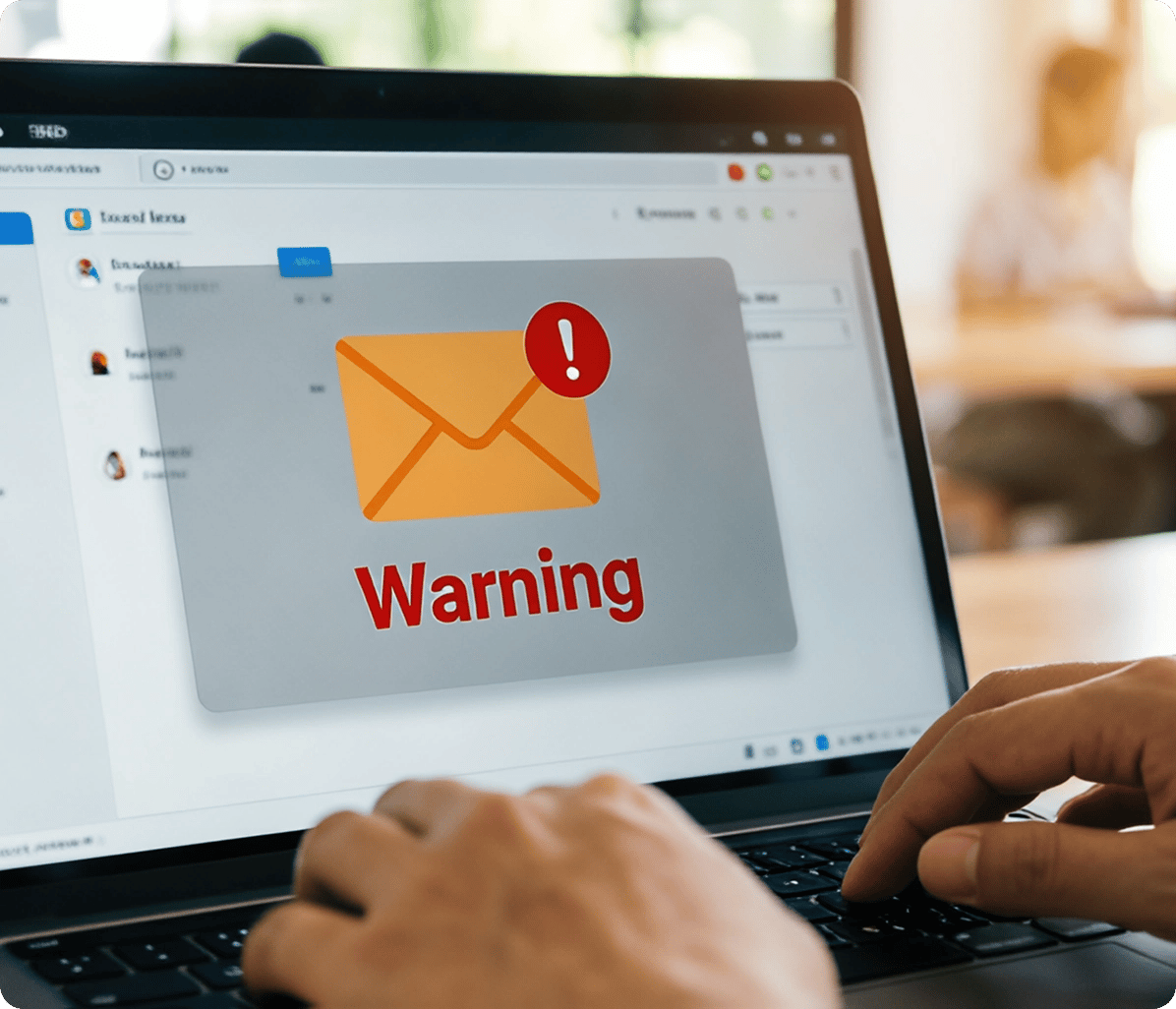
Buying or selling a home is one of the biggest financial decisions most Australians will ever make. With property prices remaining high and the market often competitive, scammers see these transactions as attractive targets. In recent years, Australians have lost hundreds of millions to various scams, including fraudulent emails in relation to money transfer.
The good news is that most scams follow clear patterns. With good awareness and the support of legal professionals, you can protect yourself effectively. This guide explores the most common property scams affecting Australians today, explains how they work in real-life situations, and shares practical, easy-to-follow ways to stay safe. It also shows why having a trusted solicitor is one of the most important decisions in conveyancing.

The Settlement Scam: Last Minute Email Changing Bank Details
This scam often strikes in the final days before settlement and has caused some of the largest individual losses in property transactions. You receive an email that appears to come from your conveyancer, real estate agent, or solicitor. It looks professional, uses the correct letterhead, and correctly mentions your property details. The message says bank details have changed for the deposit or settlement funds—please transfer the money immediately to the new account or settlement cannot proceed.
This is a form of business email compromise or payment redirection. Scammers monitor real transactions, slightly alter email addresses, and strike close to settlement. Many victims lose hundreds of thousands of dollars quickly, with research showing that up to 97% of people miss the warning signs in these emails.
The strongest defence is straightforward: never rely on email alone for changed bank details. If you receive any update to payment instructions, stop everything and call the person using a phone number you already know. Do not use any links or numbers from the email. Many conveyancers now provide secure client portals to minimise email risks.
How to Verify Payment Details Safely
Always confirm any change in bank details with a phone call to your solicitor. Use secure client portals offered by your conveyancer instead of regular email when possible. Pay close attention to subtle changes in email addresses, such as extra dots or slight misspellings.


Buying or selling?
Get the legal support
you need!

Why using a Solicitor is your Best Protection
A property Solicitor does much more than just transfer the property. They verify the seller's identity and ownership through a range of searches, manage funds through secure electronic platforms, and follow strict protocols that prevent any financial loss.
Solicitors see red flags every day and insist on dual authentication for payment instructions. They will guide you through the process and ensure your personal information is protected.
Trying to save money by rushing conveyancing or handling it yourself is where it can go all wrong. Choosing a Solicitor early is one of the smartest steps you can take to protect your settlement.
Everyday Habits That Keep You Protected
No matter where you are in the property journey, these simple practices make a big difference:
- Always verify people and payment instructions through independent channels, such as phone numbers you source yourself.
- Slow down when anyone pressures you for time.
- Use strong passwords, enable two-factor authentication, and avoid public Wi-Fi for banking details.
- If something feels wrong, contact your Solicitor or bank immediately. Fast action can sometimes help recover funds.
Property scams thrive on last minute tasks. By staying alert, you protect not only your money but also the peace of mind that comes with owning a home in Australia.
If you are about to buy or sell, understanding the conveyancing process can help you move forward confidently. Learn more about what proper conveyancing involves for property buying and selling in Australia here: What is Conveyancing for Property Buying and Selling in Australia
Stay cautious—your future home is worth protecting.


Why choose a contract review with conveyancing.com.au
Explore our review service to find out more.
Frequently Asked Questions (FAQ)
What is the most common property scam in Australia?
Settlement payment redirection scams (also known as business email compromise) cause some of the biggest losses during buying and selling. These often occur in the final days before settlement when scammers trick victims into transferring large sums to fake bank accounts.
Can I recover money lost to a property scam?
Recovery is difficult but not impossible. Contact your bank immediately, they may be able to put a hold on the transfer in some cases. Report the matter to your solicitor, and your state consumer affairs agency as soon as possible. Prevention is always far better than trying to recover losses later.
How do I check if a real estate agent or conveyancer is legitimate?
For Solicitors, they are required to be registered with the state legal bodies. A search can be done to verify this.
Should I ever pay a deposit before seeing a property?
No. Never transfer money before you have physically viewed the property and signing a Contract. Good agents expect inspections and will not pressure you into unusual payment methods.
What role does conveyancing play in avoiding scams?
Conveyancing includes due diligence, verification of identity, searches, and secure handling of settlement funds.
Are off-the-plan properties always risky?
Not always, but they need careful review. Get legal advice and understand the timelines for this type of transaction.
This article is provided for general information purposes only. Its content is current at the date of publication. It is not legal advice and is not tailored to meet your individual needs. You should obtain specialist advice based on your specific circumstances before taking any action concerning the matters discussed in this article.
